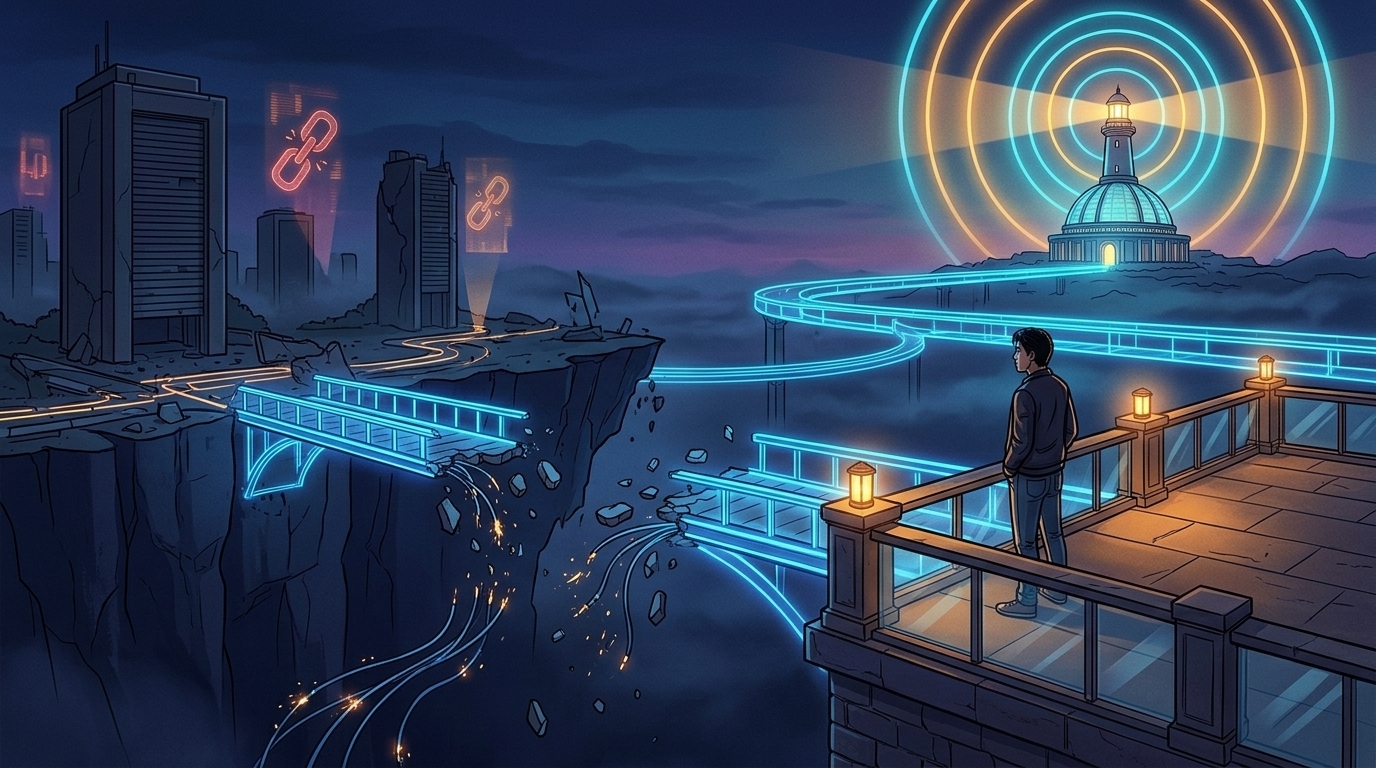
Broken links vs. paths built to endure. [Image via Gemini]

Despite best efforts, thousands of links I made are gone forever.
I asked Antigravity to do a link audit and report of the tens of thousands of links I'd made over the years -- to other blogs, to companies, social profiles, news and all manner of destinations. Of the nearly 30,000 links, coming to under ten links per post, just over one third are dead, taking people on a one way ticket to nowhere. You can see that report here: https://blog.louisgray.com/linkaudit.
So what happened, aside from good intentions and what not?
I don't know what I expected.
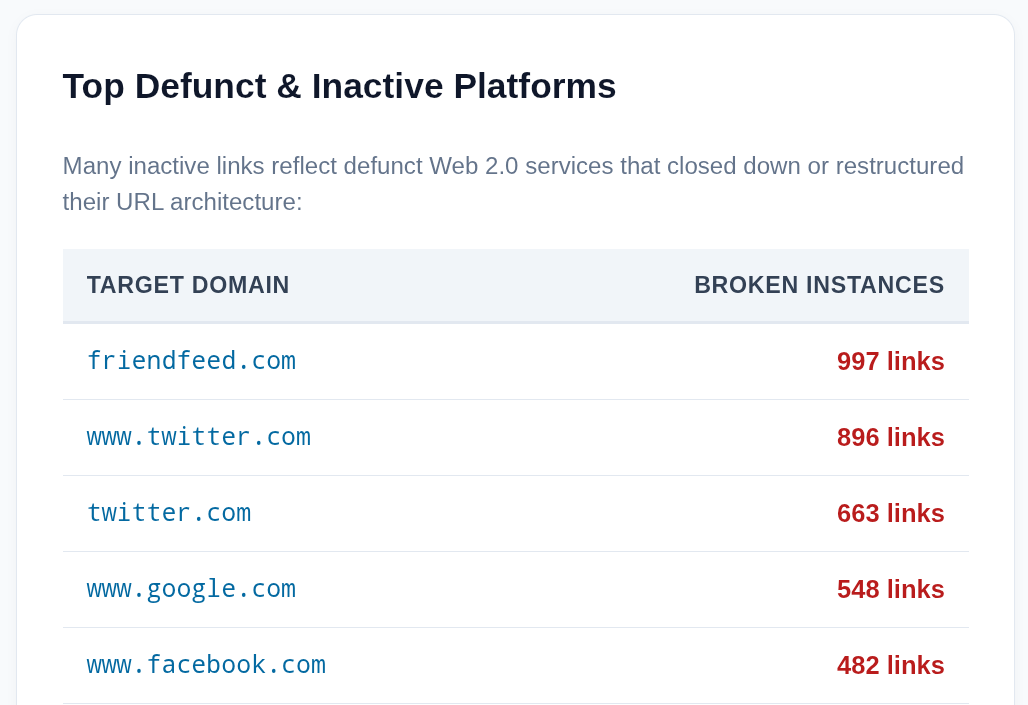
Unsurprisingly, the social stars of a bygone era are a big contributor to my amassing thousands of trips to nowhere. Almost 1,000 links to Friendfeed didn't do me much good after Facebook gobbled it up and smothered it with a pillow. Many of us walked away from Twitter (due to its toxicity or other reasons) and what was supposed to be a safe place to link ended up being a transitory target. Even Google, be it Reader or Buzz or what have you, hasn't been without its flaws. And that's not even getting started on all those Web 2.0 startups that didn't win, despite best effort.
Back in 2007, we had one of our first major blog skirmishes when I said "Internal linking on some tech blogs is out of control", as outlets used keywords to point to themselves instead of their topics du jour. But there's clearly value in it! If you can link to your own posts, at least you control the destiny, and it's up to you whether they still live -- like my 2013 post talking about "Tech's halflife and accelerating forgetfulness". As I said then, "History can be dull, yes. But it can also be fascinating." My hope would be that we build, together, a web that expects links to work and search engine (or AI queries) to return data that can be relied on to still work, not just months down the line but years.
So much of the web has gone dark, behind paywalls and login gates, that the content we push into the open web, aimed to enrich or discuss, inform and discover, should be designed for permanence. We're all very lucky sites like Wikipedia and the Internet Archive exist, to document and backup what we've built, but every time I try to visit an old blog that used to be a mainstay, or I see an RSS feed I long ago subscribed to just not resolve, it's another gap in our story -- another dry valve that used to flow. Let's try to fulfill this social contract, that when we build, we build for domains that last, paths that endure and content that stays up.